
Posture
- Created in Wellness And Prevention
Having good posture is more important than you may realize. Posture refers to the position that we hold our bodies in while sitting, standing and lying down. Good posture is when your body parts are in correct alignment and supported by the right amount of muscle tension against gravity. When our bodies are properly supported, we can avoid many musculoskeletal disorders. But unfortunately, many people suffer from the negative effects that come with poor posture habits that have been developed over the years.
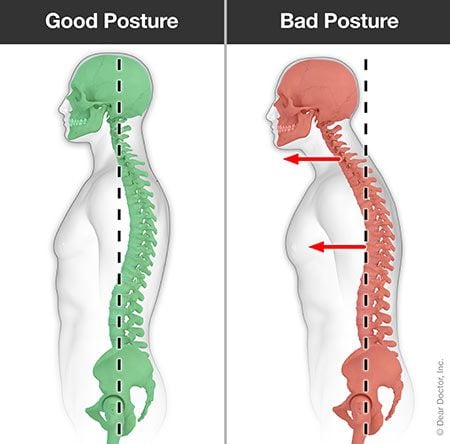
Holding our bodies in “good” posture puts the least amount of strain on muscles and ligaments while moving and carrying weight—and it offers numerous health benefits. By the same token, poor posture comes with a variety of side effects. Some of the consequences of having “bad” posture include chronic pain, headaches, heartburn and even incontinence. Some people may also experience poor digestion, constipation, poor balance, difficulty breathing, fatigue and sleep disturbances. When posture isn’t ideal, the postural muscles (the muscles that work to hold posture in place) become disengaged and weak, resulting in difficulty maintaining good posture, as well as making areas of the spine more vulnerable to injuries.
Sustaining good posture can benefit our bodies in numerous ways. Good posture requires and helps sustain a certain level of muscle flexibility and strength—it’s a habit worth developing! Good postural habits can minimize excess wear and tear on the joints of the body that can advance the arthritic process and create unwanted joint pain. Improper posture can be problematic not only for the joints of the body; it can also put added strain on the spine. Ideal posture puts the least amount of stress on the ligaments that hold our spinal joints together, lowering the risk of sustaining an injury. When our body is functioning as it should and our muscles are working efficiently, we end up using less energy throughout the day and becoming less tired.
Symptoms and Causes of Poor Posture
There are numerous factors that can contribute to the development of poor posture. Some of the most common are stress, obesity, abnormally tight muscles, high-heeled shoes and weak postural muscles. Other risk factors include a poor working environment, decreased flexibility, poor posture while working and unhealthy sitting or standing habits. Common signs of bad posture include hunched or rounded shoulders, a rounded upper back and a forward resting head. People with poor posture more often than not will experience secondary pain as a result of their poor posture.
Improving Posture

While it’s easy to see how a person can develop poor posture habits over the years, there is hope. Chiropractic care is able to help improve posture over time. The amount of time it takes to correct poor posture depends on how long the habit has been sustained. The longer a person has been sitting, standing and lying down with poor posture, the more the joints have likely adapted to these positions, and so it may take longer to correct.
Another way to help improve posture is by becoming more aware of it while sitting and standing. While standing, it helps to keep the knees slightly bent with relaxed arms and the shoulders pulled back. When lying in bed at night, it’s important to avoid sleeping on the stomach.
Why Seek Chiropractic Care to Improve Posture?
During an office visit, chiropractors conduct a thorough assessment of the joints and spine to identify any restrictions or misalignments that may be having an impact on your current posture. We also check for postural imbalances. Some causes of this include routinely keeping one shoulder sitting higher than the other, the head tilted, or the pelvis tucked or tilted. Spinal adjustments can increase mobility of the joints of the spine, allowing for easier postural control. Chiropractors will often hear their patients say they “feel taller” or they “can stand up straighter” after an adjustment.
Various research studies have shown that routine chiropractic adjustments help improve posture over time. Maintaining good posture is an important part of maintaining good health. Improving posture is a proactive move toward living a more functional, healthier life. If you are curious about the state of your posture or would like to improve it, chiropractic care can help in a safe, noninvasive way.